Build Your Ideal Living Space
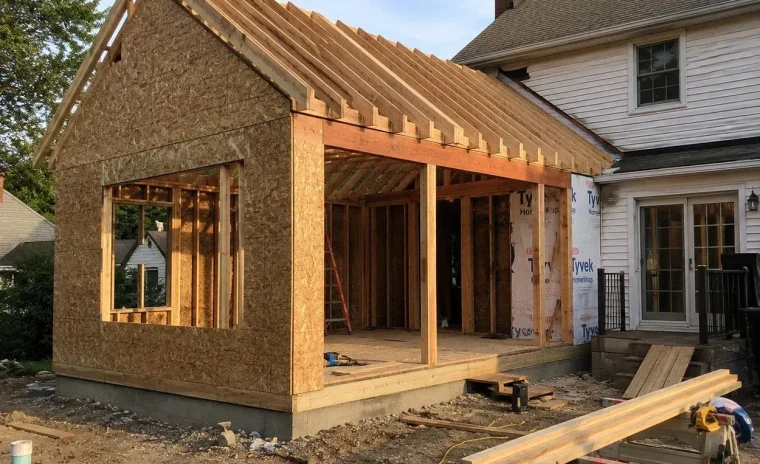
Phoenix custom home builders break down real costs
Site Work and Foundation Expenses Explained
Before construction begins, your lot requires significant preparation, particularly in the Phoenix and Maricopa County region. Site work accounts for roughly 8 to 12 percent of your total project budget, depending on terrain and soil conditions. Rocky desert soil and caliche layers common throughout the area often demand specialized excavation equipment, increasing costs beyond what you might encounter in other regions.
Foundation expenses vary based on your chosen system. Slab foundations, the most common choice in Arizona’s stable climate, typically range from $6 to $12 per square foot. This includes grading, vapor barriers, rebar placement, and concrete pouring. A 3,000-square-foot home foundation averages between $18,000 and $36,000. Additional costs arise when dealing with sloped lots or properties requiring extensive grading to achieve proper drainage away from the structure.
Utility connections add another layer of expense. Municipal water and sewer hookups in Phoenix metro areas cost between $5,000 and $15,000, while septic systems for rural properties in Cave Creek or New River can exceed $20,000. Electric service installation ranges from $2,500 to $8,000 depending on distance from existing lines. Many builders incorporate these expenses into early-phase budgets, but understanding each component helps you plan accurately. Working with a general contractor familiar with local conditions prevents costly surprises during the home building process.
Materials and Skilled Trade Contractor Pricing
Materials and labor together represent 60 to 70 percent of your total build budget. In Arizona’s market, framing lumber and structural materials account for approximately $30 to $50 per square foot, while labor adds another $40 to $65 per square foot depending on design complexity and finish level. A 3,000-square-foot home typically requires $210,000 to $345,000 for combined materials and labor before interior finishes.
Phoenix’s intense summer heat influences material selection and costs. Energy-efficient windows with low-E coatings cost 20 to 30 percent more than standard units but reduce long-term cooling expenses significantly. Stucco exteriors, favored for their durability in desert conditions, range from $6 to $9 per square foot installed. Tile roofing, which withstands extreme temperature fluctuations better than asphalt, adds $8 to $15 per square foot but often lasts 50 years or more.
Labor costs fluctuate with seasonal demand. Construction activity slows during June through August when outdoor temperatures exceed 110 degrees, then surges from October through May. Scheduling your project during peak season may mean competing for skilled trade contractors, potentially adding 10 to 15 percent to labor estimates. A custom home builder with established trade relationships can secure consistent pricing and reliable scheduling regardless of seasonal pressures, protecting your budget from market volatility.
Architectural Services and Permit Requirements
Architectural design and engineering services typically consume 5 to 10 percent of your construction budget, translating to $15,000 to $50,000 for most projects. This investment includes initial concept development, detailed blueprints, structural engineering calculations, and revisions throughout the design phase. Custom home design tailored to Arizona’s climate incorporates passive cooling strategies, solar orientation, and outdoor living integration that reduce operational costs for decades.
Permitting and inspection fees vary by municipality but generally range from $3,000 to $8,000 for a single-family residence. Phoenix, Scottsdale, and Chandler each maintain distinct building codes and review timelines. Scottsdale’s design review process, particularly in hillside or desert overlay districts, adds both time and cost compared to standard residential zones. Plan review typically takes four to eight weeks, though complex designs or properties in sensitive areas may require additional iterations.
Engineering studies for soil conditions, drainage analysis, and structural calculations add $2,000 to $6,000 depending on site characteristics. Properties in Paradise Valley or areas with significant elevation changes often require additional geotechnical analysis. Energy code compliance calculations, mandatory for all new construction, cost between $500 and $1,500. Budgeting for these professional services early in your planning prevents delays and ensures your project proceeds smoothly through approval processes. A consultation with builders familiar with local jurisdictions can clarify specific requirements for your location.
Planning Your Budget with Realistic Estimates
Several categories of expense emerge during construction that initial estimates often underrepresent. Landscaping for desert climates requires specialized knowledge and materials. Basic xeriscaping with native plants, irrigation systems, and hardscaping averages $8,000 to $25,000 for a typical lot. More elaborate designs incorporating outdoor kitchens, pools, or extensive plantings can exceed $75,000. Phoenix’s water conservation ordinances limit turf grass coverage, steering designs toward rock, decomposed granite, and drought-tolerant vegetation.
Temporary utilities during construction, including portable toilets, job site power, and water service, add $3,000 to $6,000 to your budget. Builder’s risk insurance protects your investment during construction, costing approximately 1 to 4 percent of the insured value. Impact fees, which fund infrastructure improvements, vary dramatically by municipality. Surprise and Goodyear charge lower rates than established areas like Scottsdale or Paradise Valley, where fees can reach $15,000 or more.
Post-construction expenses include final grading, driveway paving, and utility meter installations. Many builders provide allowances for these items, but actual costs may vary based on your selections. Window coverings, garage door openers, and initial HVAC filter replacements seem minor but collectively add several thousand dollars. Setting aside a 10 to 15 percent contingency for unforeseen conditions or change orders protects you from budget strain. Builders who maintain transparency throughout the process help you track expenses against projections, ensuring you can make informed decisions when opportunities or challenges arise. Understanding the complete financial picture allows you to move forward confidently with your vision.
Making Informed Decisions for Your Custom Build
Accurate budgeting begins with understanding that custom home costs in Phoenix range from $200 to $400 per square foot, placing a 2,500 square foot home between $500,000 and $1,000,000 before lot acquisition. This wide range reflects choices in finishes, structural complexity, and site conditions specific to Maricopa County.
Start by defining your priorities early in the design phase. Allocate approximately 20 percent of your budget as contingency for unforeseen conditions or design modifications that arise during construction. Arizona’s building season runs year round, but material costs can fluctuate based on supply chain conditions and regional demand cycles, particularly during the cooler months when construction activity peaks from October through April.
Working with a general contractor who specializes in custom builds provides transparent pricing from the outset. Request itemized estimates that separate hard costs (materials and labor) from soft costs (design, permits, financing). This breakdown allows you to make informed decisions about where to invest and where to economize without compromising structural integrity or long term value.
Before committing to a design, review your financing options and pre-approval amounts. Construction loans differ from traditional mortgages, requiring detailed project plans and draw schedules. Your builder can coordinate with lenders to ensure documentation meets underwriting requirements, streamlining the approval process and preventing delays once construction begins.